- Daily routine Removed for meals, hot drinks, brushing and flossing; worn 20 to 22 hours daily.
- Aesthetics & clarity Discreet, transparent shape-memory resin contoured precisely to the dental anatomy.
- Biomechanical mechanism Planned movement, staged by a shape-memory material that recovers toward its printed form at mouth temperature.
- Manufacturing Direct 3D printed from the digital prescription; no physical model or thermoforming stretch.
Made for UAE smiles
Care starts with a plan for you.
Removable clear aligners, planned by your dentist and 3D-printed directly in their final shape with Graphy's shape-memory material.
SmartAligners plans are guided within a range of 2 to 3 months for Essential, 4 to 6 months for Complete, and 7 to 10 months for Advanced. Your clinician confirms the plan that fits your case.
Our plans
Your clinician confirms the right plan
SmartAligners Essential up to 10 stages2-3 months
SmartAligners Complete up to 20 stages4-6 months
SmartAligners Advanced up to 30 stages7-10 months
Conventional aligners published mean, all cases18 months
The conventional row is a published trial mean, shown for context.
Details & sources
SmartAligners rows describe the stage count each plan is built to, not a measured outcome. The conventional row is a measured mean treatment time (18.2 ± 3.1 months) from a randomised trial of 112 patients. Read them as context, not a like-for-like comparison. Your own time depends on examination, complexity and wear.
What clear aligners can do
Move teeth without metal braces.
Clear aligners apply planned, gentle pressure as you progress through each stage. A dentist checks your teeth, bite and gum health before confirming whether treatment is right for you.
Your aligners are then printed directly to that approved plan, in the shape they need to recover toward, rather than cut from a sheet stretched over a model. They are removable for eating and brushing, and every stage stays under your clinician's review.
Check whether clear aligners could suit you- Daily routine Permanently bonded between clinic visits; requires floss threaders and interdental brushes.
- Aesthetics & clarity Visible buccal brackets (metal or ceramic) connected by orthodontic archwires.
- Biomechanical mechanism Continuous mechanical tension applied via manual archwire activations at review appointments.
- Clinical indications Remains the clinical standard for severe skeletal discrepancies and complex surgical cases.
Why the workflow can be shorter
Fewer production steps. A material designed to keep working.
Faster manufacturing does not make teeth move instantly. It gives your clinician a more direct production route, while the shape-memory material is designed to recover toward its printed geometry at mouth temperature.
Thermoformed aligners
- Digital plan
- Print a physical model
- Block out the model
- Thermoform a sheet over it
- Trim off the model
- Polish and finish
Direct-printed with Graphy
- Digital plan
- Print the aligner itself
- Post-cure and finish
What that changes at each stage
Print the appliance directly
The workflow removes physical model printing, block-out, thermoforming and model-side trimming from each stage.
Recovers at mouth temperature
Graphy's shape-memory polymer is designed to return toward its printed form at approximately 37°C.
Keep the stage clinician-guided
Your dentist approves the sequence, monitors tracking and guides any brief warm-water seating step when it is useful.
FROM SCAN TO CLINICIAN REVIEW
One plan.
Every stage.
See the process
See the process
01 / 05
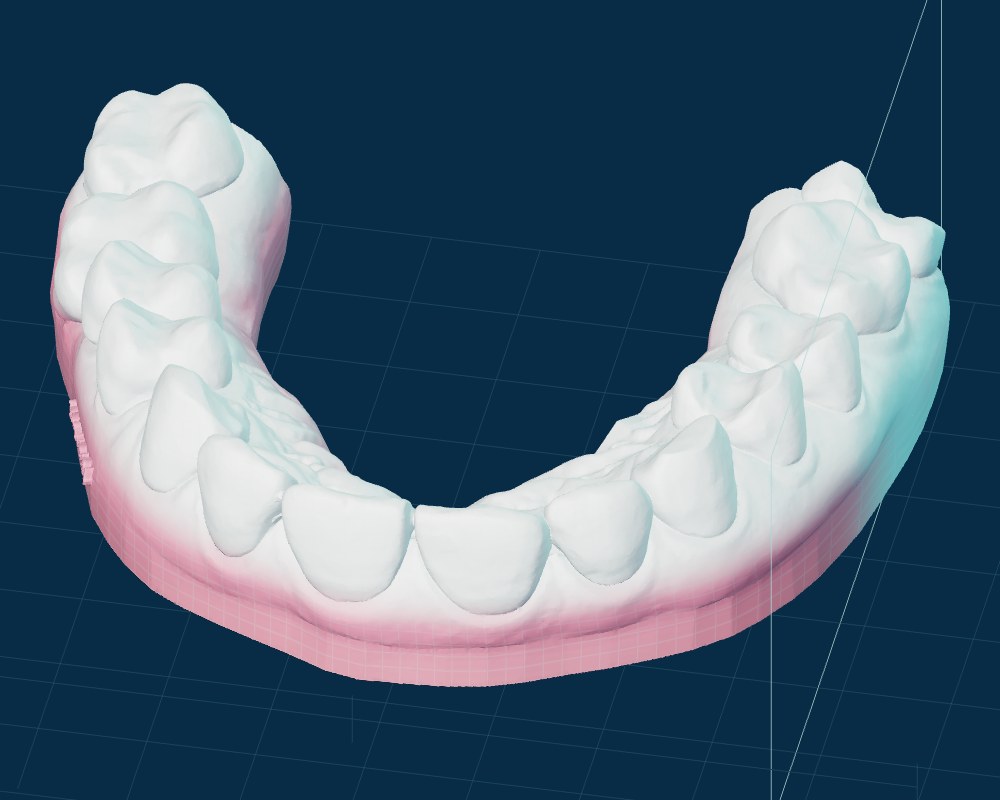
Each stage is reviewed before the next one is released. Movement happens between visits.
Why it can feel easier than standard clear aligners.
Standard clear aligners are usually made by heating a flat sheet and pressing it over a model. SmartAligners are printed directly as the planned appliance. Recovering to the designed shape helps provide gentle, continuous force throughout treatment, while your clinician remains responsible for diagnosis, fit and review.
Standard clear aligners
Clear, removable, familiar
- Clear and removable, so you can eat and brush normally.
- Digitally planned and supervised by a dentist or orthodontist.
- The aligner is usually formed by stretching a flat plastic sheet over a printed model, then trimming the borders.

SmartAligners
Warm, seat, recover
- Warm before wearing: A short warm-water step can make the aligner more flexible for easier insertion.
- Printed directly: The aligner starts as the planned appliance, not a sheet stretched over a model.
- Designed pressure zones: The aligner can include local design features that help guide force where the doctor wants it.
- Recovers toward shape: At mouth temperature, the material is designed to move back toward its printed geometry.
What actually happens
Your treatment journey, step by step.
From the first scan to the review that confirms your teeth are tracking to plan. Exact timing depends on your scan, crowding, bite and gum health, and on how consistently you wear the aligners - your clinician confirms the plan for your case.

Day 0
3D Scan & Suitability Check
Visit a partner clinic for an intraoral scan and doctor assessment. The scan checks crowding, bite, gum health, previous orthodontic work, and whether aligners are suitable.
Appointment usually takes 20-40 minutes
Usually 2-5 working days
Plan, Stage Count & Price
Your clinician reviews the digital plan, likely number of stages, case complexity, attachments or pressure zones, expected wear schedule, and price before you proceed.
Timeline confirmed after clinical approval
Usually 3 to 5 days after approval
Direct Printing & QC
Your aligners are printed directly, washed, cured, finished, checked, and prepared for fitting. Cases can be produced in checkpointed batches instead of printing the whole journey blindly.
Manufacturing time depends on case and batch size
7-14 days per stage
Wear, Warm, Review
Wear is typically 20+ hours per day, with 22 hours ideal. Early stages may change weekly; later or more complex movements can use 10-14 day steps. Your doctor adjusts the schedule if tracking, comfort, or hygiene needs it.
Your doctor sets review intervals and wear schedule
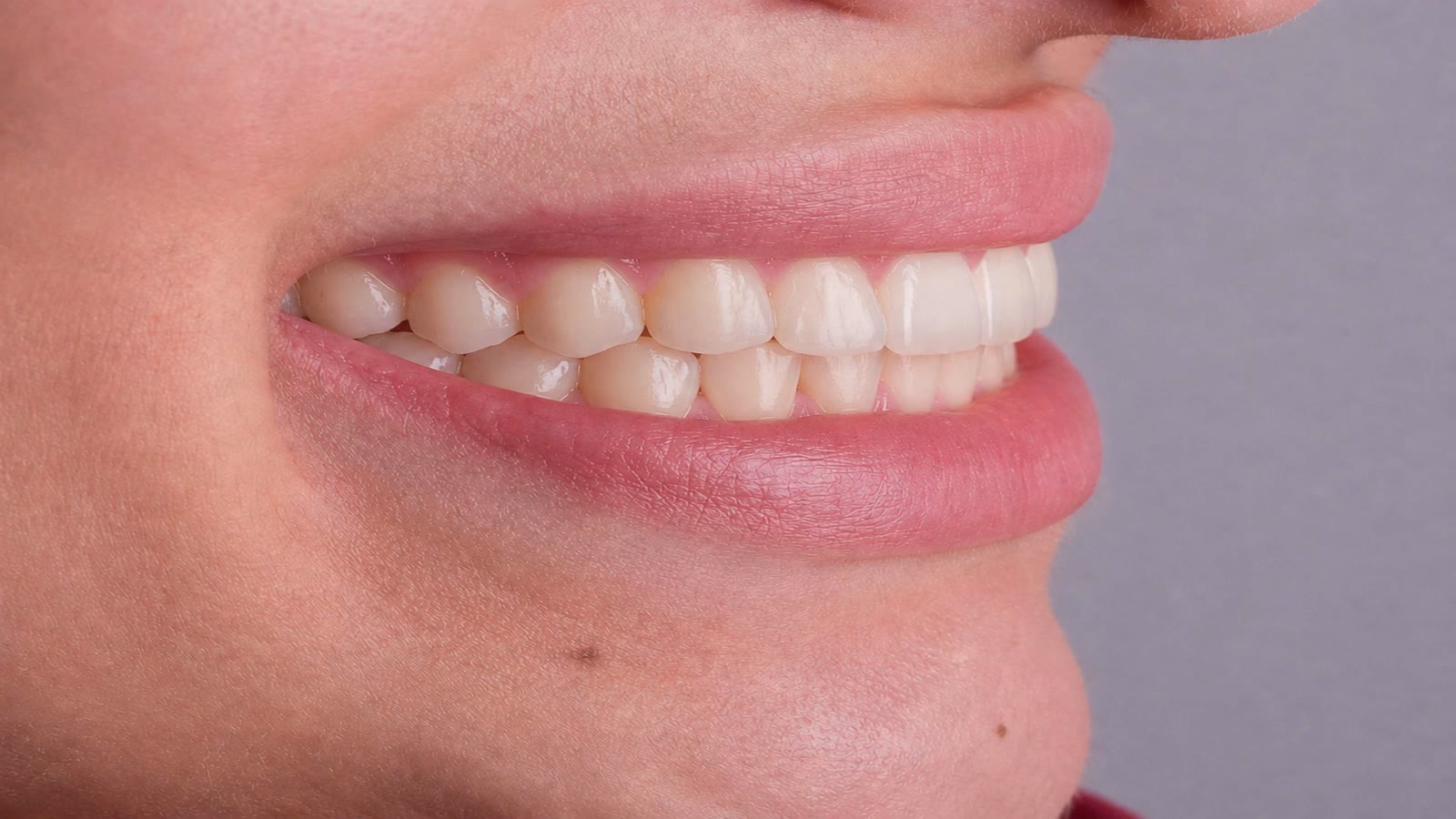
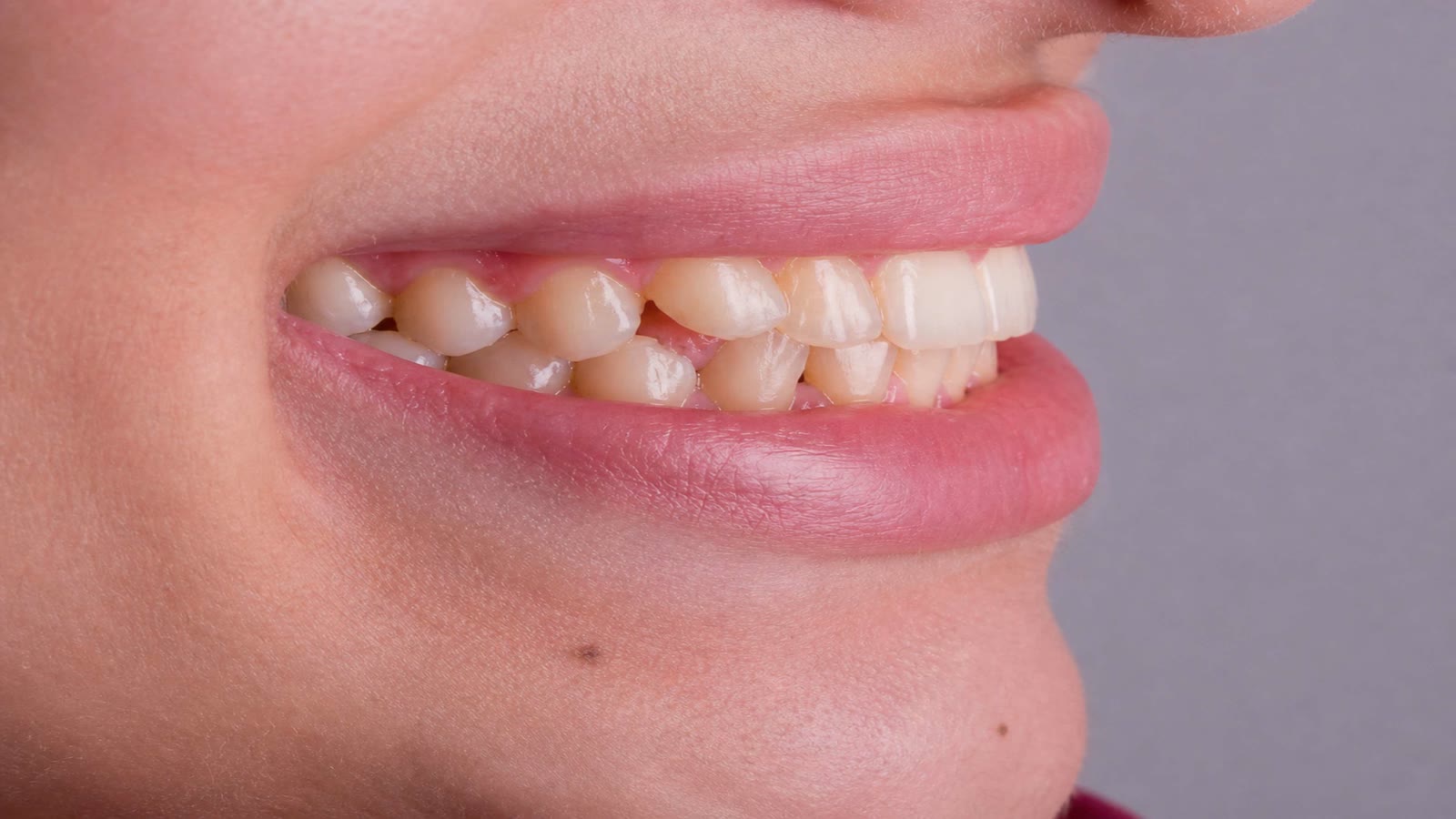
At the end of your plan

 Before
After
Before
After
The result
The final stage closes the planned movement. Your clinician reviews the finished position with you and fits retainers to hold it.
Retainers keep the new position stable
UAE Provider Network
Find a SmartAligners provider.
Begin with a clinical assessment at a participating dental provider. Select a location to view it on the map and contact the team directly.
Available locations
Start with the right place.
Fakeeh Medicentres Motor City provides the patient-facing clinical pathway. D4 Dental Lab supports local production and is shown separately for transparency.
Clinical provider
Fakeeh Medicentres - Motor City
Fox Hill Building 6, Motor City, Dubai
Production laboratory
D4 Dental Lab
Dubai production partner. This is not a patient treatment clinic.
More than a Lab. A partner in your smile.
SmartAligners WhatsApp: +971 52 671 1185
Book your scan
Ask us to find your provider.
Leave your name, emirate and mobile number. The request goes to SmartAligners and can be confirmed on WhatsApp. No payment and no commitment at this stage.
- A provider confirms whether clear aligners suit your case
- Your scan and plan come before any commitment
- Providers across Dubai, Abu Dhabi and Sharjah
Request received
We will use the contact details provided to help connect you with a provider.
Common Queries
Frequently Asked Questions
The questions patients ask most often about comfort, timing, safety, daily wear and suitability. Clinicians can review the full evidence centre.
SmartAligners are clear, removable aligners powered by
Graphy's Tera Harz shape-memory material. They are planned
digitally, printed directly as aligners, and fitted under
dentist or orthodontist supervision.
Standard aligners are usually made by stretching a heated
plastic sheet over a printed model. SmartAligners are printed
directly as the planned aligner, which allows more control over
thickness, pressure regions and trim lines. Graphy's
shape-memory material is designed to recover toward its
printed form at mouth temperature.
Often, yes. SmartAligners plans run 2-3 months for Essential, 4-6
for Complete and 7-10 for Advanced, against the 12-18 months
many standard clear-aligner guides quote. Two things drive
that: the aligner is printed directly to the plan, so
production steps come out of every stage, and the shape-memory material recovers toward its printed shape at mouth temperature. In a 2022 laboratory study it regained about 96% of a controlled bend within an hour at 37 °C, where a conventional PETG sheet showed no recovery. Your own timeline depends on your case and how
consistently you wear the aligners, which your orthodontist
confirms after the scan.
Some pressure is normal whenever teeth are moving. The aim is
not "no feeling"; the aim is controlled, gentle force. Warm
seating may make insertion easier, especially when a new aligner
would otherwise feel tight.
Plan for at least 20 hours per day, with 22 hours ideal for
many cases. Remove them for meals and brushing unless your
clinician gives different instructions.
It may be suitable for many crowding, spacing, relapse, and
selected bite cases, including some crossbite, deep bite, and
open bite situations. Suitability depends on diagnosis, gum
health, bite, root position, patient compliance, and whether
the doctor believes aligners are the right tool.
Graphy documentation lists ISO 10993 testing across
cytotoxicity, sensitization, oral mucosa irritation,
intracutaneous reactivity, systemic toxicity, and
genotoxicity. The finished aligner still needs correct
printing, washing, curing, finishing, and clinical inspection
before patient use.
Yes. SmartAligners is coordinated from Dubai. Scans and assessments are available at Fakeeh Medicentres in Motor City, Dubai, and aligners are produced locally with D4 Dental Lab in Al Nahda 2, Dubai. Booking requests are confirmed through WhatsApp on +971 52 671 1185 or by email at [email protected].